


That is shifting.
Architects and landscape designers are finally seeing the perimeter wall for what it is: a canvas for light. A well-lit wall does more than improve visibility. It extends the outdoor living hours, enhances security, and creates a genuine sense of enclosure and intimacy.
The perimeter is no longer just a boundary. It is a design opportunity.
Why Perimeter Lighting Matters Now
Outdoor spaces are no longer daytime-only. Evening entertaining, alfresco dining, and nighttime relaxation all demand thoughtful lighting. When the perimeter wall stays dark, the garden feels incomplete—like an outdoor room missing its walls.
Lighting that boundary changes everything. A dark wall feels confining. A lit wall creates a sense of openness and intentionality. Soft perimeter illumination makes the garden feel larger, safer, and more welcoming.
And it is not just about security anymore. Traditional security lighting was harsh and utilitarian. Modern perimeter lighting is about atmosphere, texture, and design. The wall becomes a feature, not a barrier.
What Makes a Good Garden Wall Light
Not every fixture belongs on a garden wall. Outdoor environments demand specific qualities.
Weatherproofing: Why IP65 Matters
Outdoor wall lights must handle rain, dust, and temperature swings. An IP65 rating means the fixture is dust-tight and protected against low-pressure water jets. This is not optional—it is essential for reliable performance in any climate.
Balancing Brightness and Ambiance
Too bright, and the space feels harsh. Too dim, and the wall disappears. The ALWL0129 offers 630 lumens—enough to illuminate a wall without overwhelming it.
Color Quality: The Role of High CRI
CRI measures how accurately a light source reveals colors. At 92 or above, wall finishes, plants, and landscaping look natural and vibrant. Low CRI makes materials appear dull. High CRI brings them to life.
Adjustability: The 0–120° Advantage
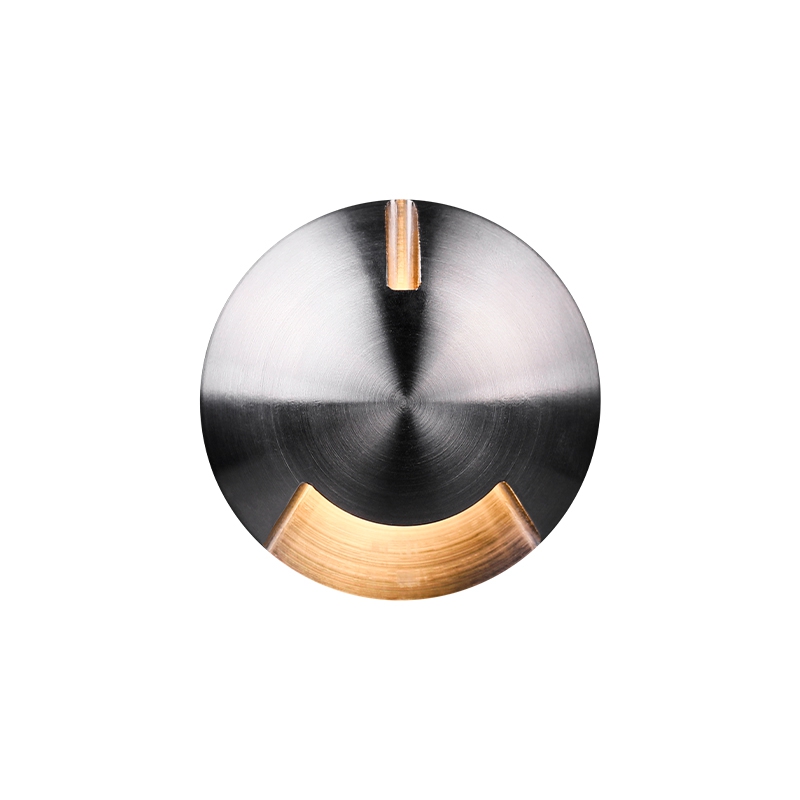
The ALWL0129 features a 0–120° adjustable beam angle. Aim it straight up for grazing effects, straight down for path lighting, or anywhere in between. One fixture, multiple applications—and the flexibility to adapt to different wall heights and materials.
The ALPHALUCE ALWL0129: A Perimeter Lighting Solution

The ALWL0129 is built for outdoor wall applications. Its specifications reflect the demands of perimeter lighting.
| Parameter | Specification |
|---|---|
| Power | 1×7W / AC230V |
| CCT | 2700K / 3000K / 4000K |
| Luminous Flux | 630lm |
| CRI | ≥92 |
| Beam Angle | 0–120° adjustable |
| Protection | IP65 |
The adjustable beam angle lets designers tailor the light to the wall and its surroundings. High CRI ensures finishes and planting look their best. IP65 provides reliability outdoors.
Design Strategies: Lighting the Perimeter Wall
There is no single way to light a garden wall. Different techniques create different effects.
Upward Lighting: Creating Drama
Light aimed upward emphasizes texture and height. This works best on walls with interesting finishes—stone, brick, timber. The light grazes the surface, revealing detail and drawing the eye upward. The space feels taller and more dramatic.
Downward Lighting: Guiding the Path
Light aimed downward illuminates the ground below while the wall stays in soft shadow. This is especially useful for pathways running along the perimeter.
Alternating Effects: Rhythm and Variety
Alternating upward and downward fixtures creates rhythm along a long wall. It breaks the wall into sections, making it feel less monolithic and more engaging.
The 0–120° Advantage in Practice
At 0°, the light points straight up or down. At 120°, it spreads wide. And anywhere in between, you can customize the beam to match wall height, material, and surroundings.
Getting the Details Right
Spacing
Spacing depends on wall height, fixture output, and the desired effect. As a rule of thumb: 2–4 meters apart for continuous illumination. Closer spacing creates drama. Wider spacing provides subtle accents.
Height
Mount fixtures closer to the ground—30 to 60 centimeters—for dramatic upward grazing. Mount them higher—1.5 to 2 meters—for wider coverage and downward light. The adjustable beam angle gives you flexibility either way.
Wall Material Considerations
Different surfaces respond differently. Smooth surfaces like render or painted finishes reflect light evenly. Textured surfaces like stone, brick, or timber create interesting shadow patterns. Dark surfaces absorb more light; light surfaces reflect more.
Color Temperature and the Garden Atmosphere
Warm light (2700K): Cozy and inviting. Ideal for residential gardens and intimate spaces. Complements wood and stone.
Neutral light (3000K): Balanced and versatile. Works for most garden applications. Good for contemporary landscapes.
Cool light (4000K): Clean and modern. Works with contemporary architecture and minimalist gardens. Can feel clinical in residential settings—use with care.
Integrating Wall Lighting with the Landscape

Wall lighting should not compete with plants. It should complement them. Light spilling from the wall illuminates nearby foliage, creating depth. Shadows from plants add texture and movement.
When perimeter walls sit close to pathways, downward illumination serves two purposes: the same fixture lights the wall and the ground path. Efficient.
Use wall lights to highlight specific features—gates, sculptures, or architectural details. A single well-lit feature on a long wall breaks the monotony.
Practical Considerations for Long-Term Performance
Outdoor fixtures must be installed correctly to maintain their IP rating. Cables need proper sealing against moisture. ALPHALUCE fixtures are designed for straightforward installation with durable seals.
IP65 fixtures require minimal maintenance. The sealed design keeps out dust and moisture, and long LED life reduces replacement frequency—important for hard-to-reach perimeter walls.
Conclusion: The Perimeter as Design Asset
The perimeter wall is no longer just a boundary. It is a design opportunity.
With thoughtful lighting, the wall becomes a feature that enhances security, atmosphere, and aesthetics. The ALPHALUCE ALWL0129—with adjustable beam angle, high CRI, and IP65 weatherproofing—is designed for the job.
Perimeter lighting is not just about visibility. It is about creating a complete outdoor experience. When the wall is lit, the garden feels larger, safer, and more welcoming.
That is why perimeter lighting is becoming the new priority in outdoor design.
To learn more about ALPHALUCE's outdoor lighting solutions, reach out at info@alphaluce.com or visit our Inspiration Gallery at https://www.alphaluce.com/inspiration.
About ALPHALUCE
ALPHALUCE is a renowned Italian commercial lighting brand, born in Florence, Italy—the birthplace of the European Renaissance. The brand is dedicated to providing one-stop, integrated lighting solutions for star-rated hotels, high-end residences, commercial offices, dining clubs, and retail exhibitions worldwide.
Adhering to the philosophy of human-centric and healthy lighting, ALPHALUCE has created numerous outstanding indoor lighting projects using cutting-edge lighting technology, setting a benchmark in lighting design. As an innovator, creator, and industry leader in the high-end commercial lighting sector, ALPHALUCE has become the preferred lighting brand for many prestigious projects.
Minimalist design and the artistry of light empower spatial aesthetics and add value to every environment.
ALPHALUCE MAKE A DIFFERENCE.